
Okay, so check this out—wallets used to be simple. Wow! You clicked connect, you signed, and you hoped for the best. My instinct said that was never going to scale. On one hand you want speed and seamless dApp integration. On the other hand you need guardrails that catch dumb mistakes before they blow up your funds. Initially I thought a wallet was just a key manager, but then I started testing how transaction simulation, approval controls, and risk scoring actually change user behavior—surprising stuff, really.
Seriously? Yes. People keep losing money because UX and security live on different floors of the same building. Hmm… somethin’ felt off about that. Short-term convenience often beats long-term safety. That tradeoff needs rethinking. The good news: modern wallets are evolving to bridge that gap, offering things like transaction simulation, per-dApp permissioning, and contextual risk assessment.
Here’s the thing. Transaction simulation isn’t just a checkbox feature. It’s a cognitive friction reducer. It answers the simple question users rarely ask: “What happens if I submit this?” Without simulation you guess. With it you know the potential state changes, gas estimates, slippage outcomes, and whether the contract call reverts under current chain conditions. And when a wallet surfaces that information cleanly—boom—users make fewer regrettable clicks.
How dApp Integration Should Actually Work
Connect flows should be fast. Short. But not stupid. Really—fast is great, but not if it means auto-approving unlimited allowances. A pragmatic pattern: ask for the minimal permission needed for the immediate action, then offer an explicit, easy path to increase scope later. On a personal run-through I once connected to a yield aggregator that requested sprawling approvals up front; I refused and later found out it would have allowed token drains. That bugs me. I’m biased toward least-privilege by default—call it paranoia, or experience.
Transaction signing needs context. Show the calldata decoded. Show the human-readable intent. If a dApp requests three approvals and a swap in one batch, the wallet should explain the sequence and the risk of front-running or sandwich attacks. Actually, wait—let me rephrase that: the wallet should also let users simulate the batch and optionally break it into safer steps, because complex batches hide edge-case failures and MEV exposure.
Integration mechanics matter. EIP-1193 providers are standard, but how a wallet surfaces the provider API to a dApp dictates the UX. Wallets should provide additional introspection endpoints to dApps for safe practices—like a read-only simulation API that developers can call to present clearer UX before a user ever opens a signature modal. On one hand that sounds like extra work for devs; though actually, the payoff is fewer support tickets and better retention.
Also—tiny aside—(oh, and by the way…) devs should not rely solely on frontend checks. Backend monitoring and automated revoke reminders help too. Very very important.
Risk Assessment: What a Wallet Must Tell You
Not all risks are equal. Short token approvals to a staking contract feel different than giving an unknown dApp infinite allowance. Wallets need layered scoring: immediate revert risk, approval overreach, contract audited status, and external indicators like recent exploit patterns. I’ve found that combining on-chain heuristics with off-chain signals (developer reputation, social mentions) gives pragmatic results, though it isn’t perfect.
On-chain heuristics are powerful. Check for common exploit patterns: sudden large transfers after an approval, newly created contracts with no verified source, and proxy upgradeability flags. Simulation helps here too—if a simulated call would move funds to an unknown recipient or unexpectedly increase allowances, the wallet should highlight that in bright, plain language. Users respond to clarity. They do not respond to legalese.
One more point about gas and slippage. Wallets should estimate gas but also surface the chance of failure due to gas price volatility or mempool dynamics. Give users options: prioritize cheap and risk a revert, or pay a premium to minimize sandwich risk. These are trade-offs people can handle if presented clearly.
Transaction Simulation: How Deep Should It Go?
Quick answer: as deep as feasible. Call-level simulation (eth_call with state) is table stakes. Deeper simulation that considers pending mempool state, route sanity for AMMs, and potential approvals from fallback contracts is where wallets differentiate. My testing showed that even simple eth_call checks caught many accidental reverts, but didn’t catch MEV outcomes. For that you need richer tooling—actually modeling slippage and adversarial miner behavior.
There’s no silver bullet. On one hand, chain-level determinism helps; on the other hand, real-time mempool attacks are probabilistic. Wallets should present probabilities and remediation options, not false certainties. For example: “This swap could be frontrun; consider increasing slippage tolerance or splitting the swap.” That kind of guidance reduces surprise and supports smarter decision-making.
Also: give users an “undo” path where possible. Not all chains support it, but where approvals can be revoked or transactions invalidated (via nonce management or higher-fee replacement), the wallet ought to make those tools visible and usable by non-expert users. I’m not 100% sure every user will use these, but exposing them is better than hiding them.
Security Controls That Feel Human
Biometrics and hardware key support are table stakes for advanced users. But the real UX wins are in micro-controls: per-dApp allowance dashboards, one-click revoke for older approvals, and transaction previews that rate risk on a simple scale. People prefer simple signals—green/yellow/red—and then an option to dive deeper. Keep it layered.
One feature that changed my workflow was permission templates. For recurrent dApps I made a “trusted” template that allowed only limited transfers and shallow approvals. For random new apps I chose “sandboxed” mode which blocks upgradeable proxies and high-value approvals. These templates reduce decision fatigue and help non-experts avoid rookie mistakes.
And please—do not obfuscate the revoke process. I once spent 20 minutes hunting for a revoke button during a support call. That should not happen. Wallets that make revocation obvious save users from costly errors and support headaches.
User Education Without the Lecture
People skip long tutorials. So wallets should embed micro-education at the moment of decision: quick one-liners, examples of what could go wrong, and small defaults that push toward safety. For example: when a dApp asks for “infinite approval,” a one-sentence tooltip and a single-step alternative option cut confusion dramatically.
I’m biased toward nudges rather than blocks. Blocks frustrate power users. Nudges protect novices. The art is in balancing both.
Why I Recommend Rabby Wallet
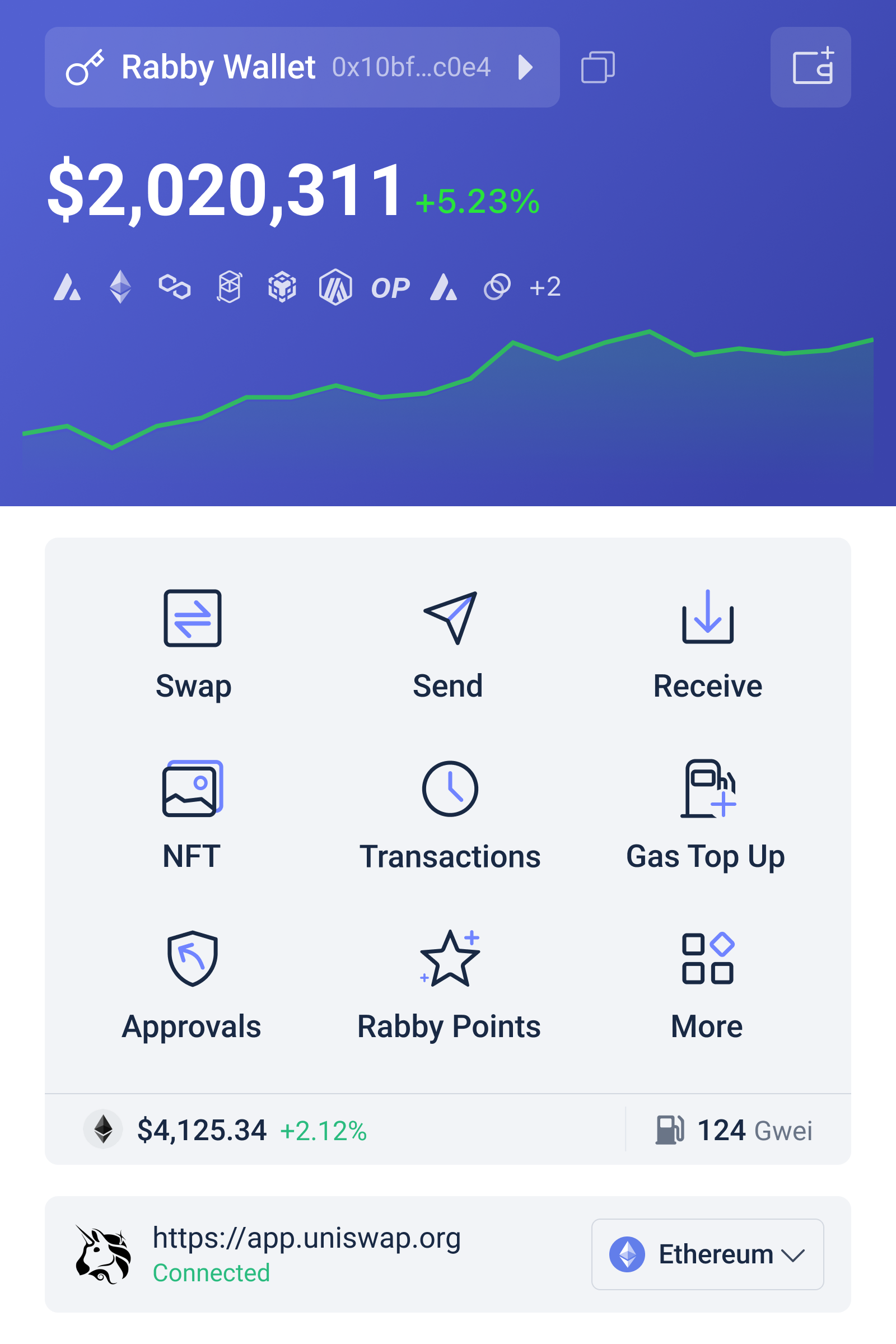
In my testing, wallets that focus on transaction simulation and approval controls deliver fewer user incidents. If you’re hunting for a wallet that takes these features seriously, check out rabby wallet. They emphasize simulation, granular permissions, and a UI that explains rather than hides the risk. I’m not saying it’s perfect—no tool is—but it’s a solid example of the direction wallets should head.
FAQ
How accurate are transaction simulations?
Simulations using current chain state (eth_call) reliably predict reverts and basic state changes, but they can’t fully model mempool dynamics or MEV. Wallets that combine eth_call with heuristic models for slippage and mempool behavior offer higher practical value. Think of simulation as guidance, not prophecy.
Can I safely approve dApps if the wallet offers simulation?
Simulation reduces risk but doesn’t eliminate it. Use least-privilege approvals, check the decoded calldata, and regularly revoke unused allowances. If a wallet provides templates and easy revokes, your risk drops substantially. Also, prefer wallets that support hardware keys for high-value activity.
